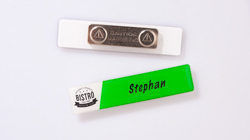
MAGNETIC VS PIN BADGES

Choosing the Right Name Badge Attachment for Schools

Magnetic and pin badges are the two most common attachment options for school name badges. Each has advantages depending on the wearer and use case. This comparison outlines the differences so schools can make an informed choice.
TL;DR: Magnetic badges are the standard choice for teachers and staff because they protect clothing, sit flat, and look professional, despite costing about $2 more per badge. Pin badges are cheaper and stay attached more reliably, which makes them better suited for students. Magnets can be replaced separately if lost, but they are not suitable for people with pacemakers, where pins are the safer option.

When schools order name badges, the attachment method is a practical decision. Magnetic and pin badges serve different purposes depending on who is wearing them, how often they are used, and how cost, durability, and safety are prioritised.

This guide explains the differences between magnetic and pin badges so schools can choose the most appropriate option for staff and students.
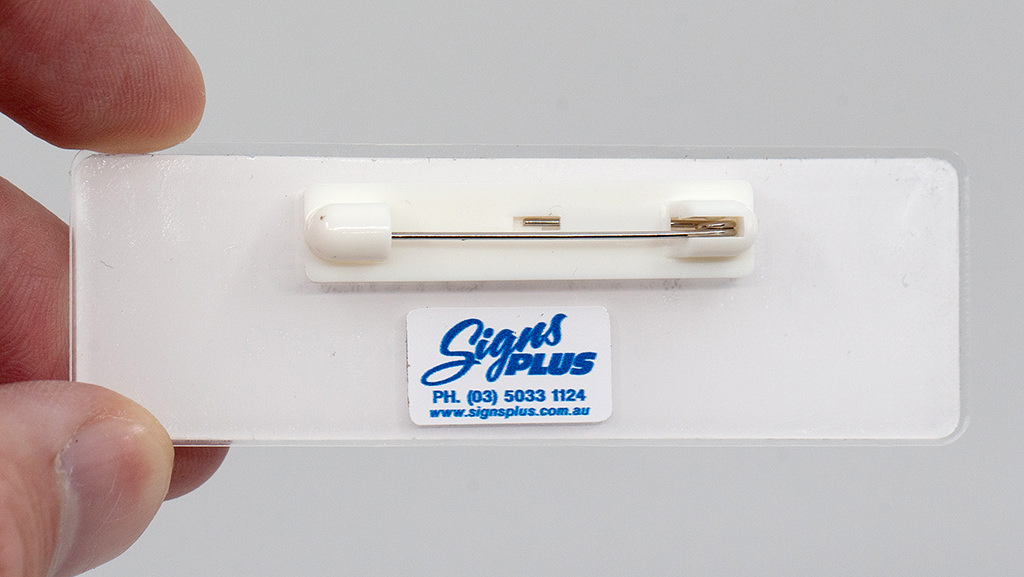
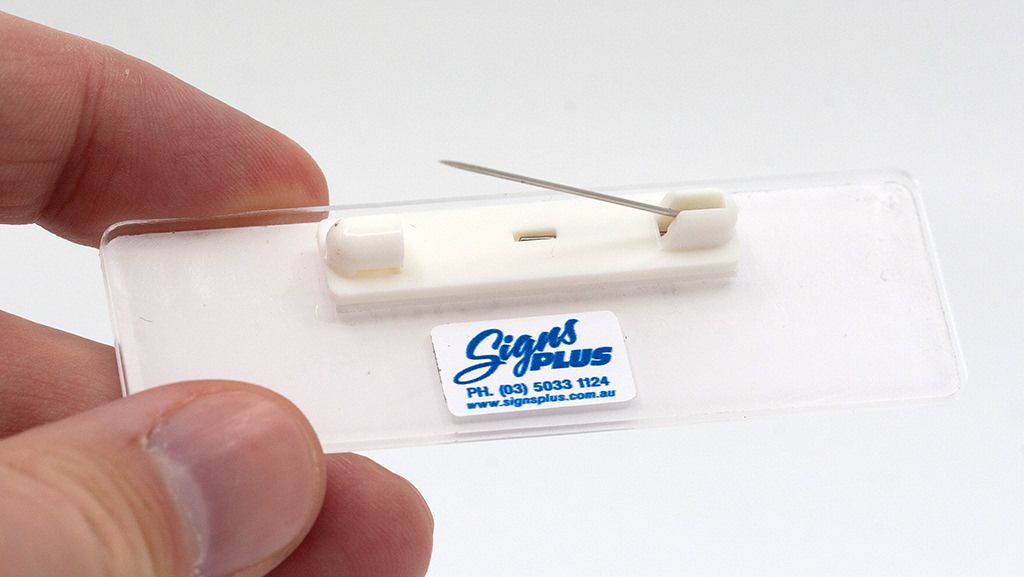
Close-up of name badge showing traditional pin attachment mechanism on back with Signs Plus branding
Pin Attachement
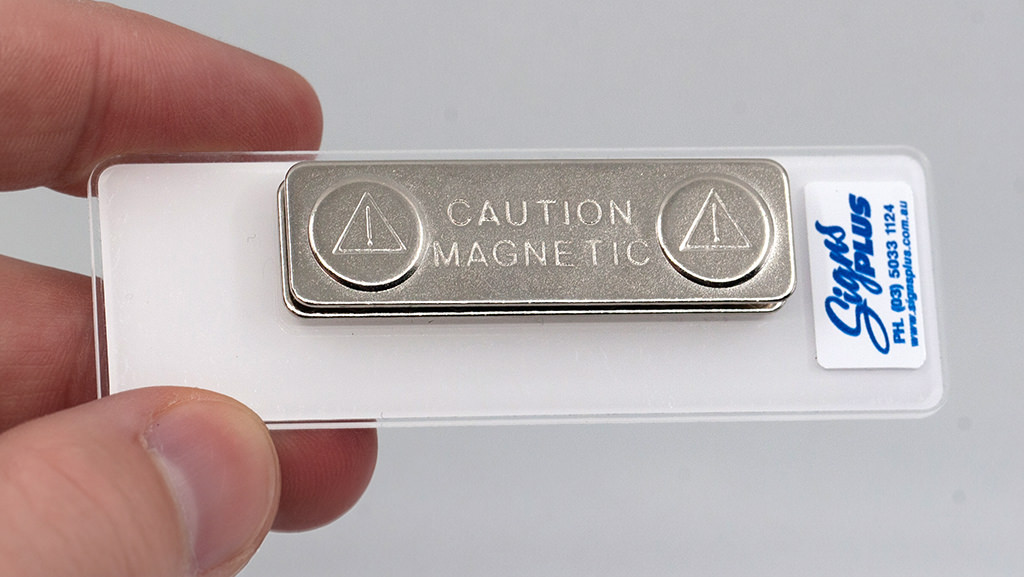
Close-up of name badge showing magnetic attachment with caution magnetic warning label on back
Magnetic Clip Attachment

Magnetic Badges in Schools

Magnetic name badges are the most common option for teachers and school staff. They attach using a strong internal magnet rather than piercing the uniform fabric.

Key characteristics

  • Attach using a magnet rather than a pin
  • Sit flat against clothing
  • Do not puncture or damage fabric

Why schools choose magnetic badges for staff

  • Reduced risk of uniform damage from pin holes
  • Consistent alignment and presentation
  • More comfortable for daily wear

Cost and replacement

Magnetic badges typically cost around $2 more per badge compared to pin badges. For staff who wear name badges daily, this cost is often offset by reduced uniform wear. If a magnet is lost, the badge itself does not need replacing. Replacement magnets can be purchased separately, usually for around $2, which keeps long-term costs manageable.

Safety considerations

Magnetic badges are not suitable for people with pacemakers or certain implanted medical devices. Strong magnets can interfere with these devices, so pin badges should be used instead.

Pin Badges in Schools

Pin badges use a metal pin and backing to attach directly through clothing. They are a common choice for students due to their lower upfront cost and secure attachment.

Key characteristics

  • Physically pierce the fabric
  • Very secure once attached
  • Lower cost per unit

Why schools choose pin badges for students

  • Cheaper option for large student orders
  • Less likely to be lost once attached
  • Practical for short-term or high-turnover use

Trade-offs

Pin badges can leave small holes in uniforms, particularly when worn in the same position over time. This can weaken fabric and may be more noticeable on finer uniform materials.
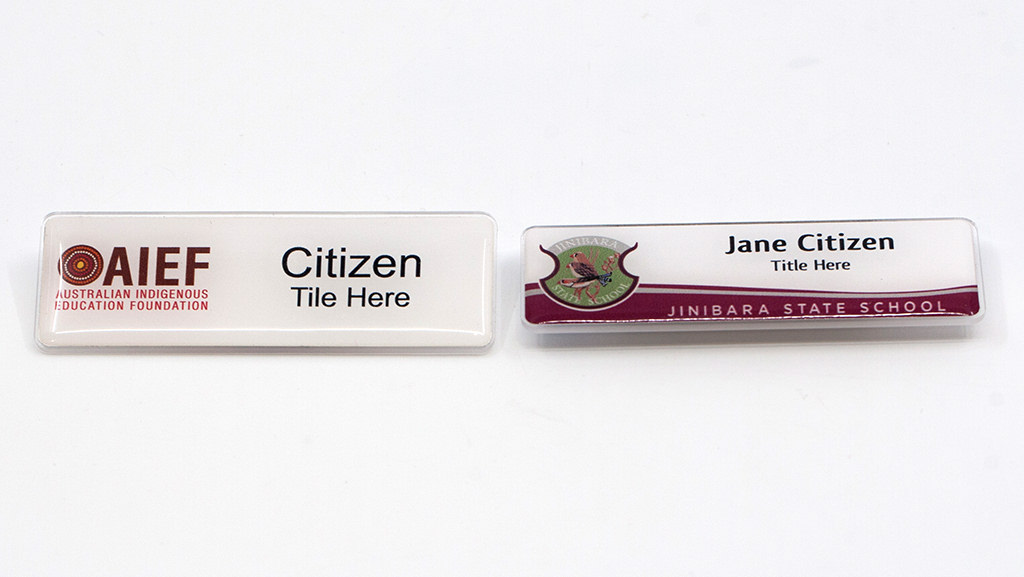
Two school name badges showing AIEF and Jinibara State School logos with customizable text fields

Staff vs Student Recommendations

Most schools choose different attachment methods depending on who will be wearing the badge.

RoleRecommended AttachmentReason
TeachersMagnetic badgeProtects uniforms and provides consistent presentation
Administrative staffMagnetic badgeDesigned for daily, long-term use
StudentsPin badgeLower cost and harder to lose
Staff with pacemakersPin badgeAvoids magnet-related safety risks

Replacement and Ongoing Costs

From a school administration perspective, each option behaves differently over time.
  • Magnetic badges may occasionally lose magnets, but replacements are inexpensive and do not require replacing the entire badge.
  • Pin badges are rarely lost but may need replacement if the pin becomes bent or damaged.
Many schools find that using magnets for staff and pins for students balances cost control with durability.

Which Option Should Schools Choose?

There is no single attachment method that suits every situation.
  • Choose magnetic badges for teachers and staff where clothing protection and presentation matter.
  • Choose pin badges for students where cost and retention are higher priorities.
  • Always offer pin badges for staff members who cannot safely wear magnets.
A mixed approach is often the most practical solution for schools.
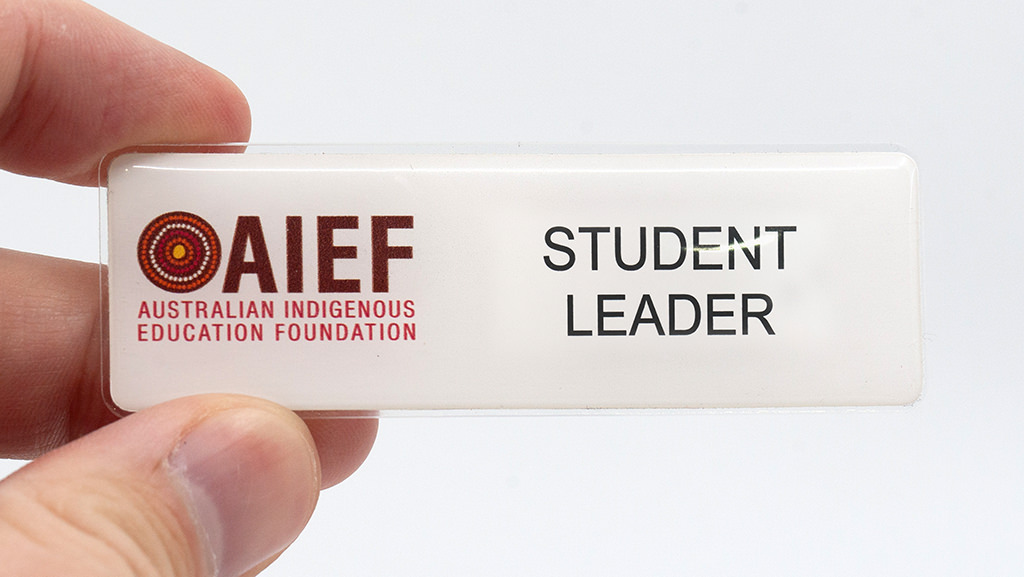
AIEF Australian Indigenous Education Foundation student leader name badge with white background and custom logo
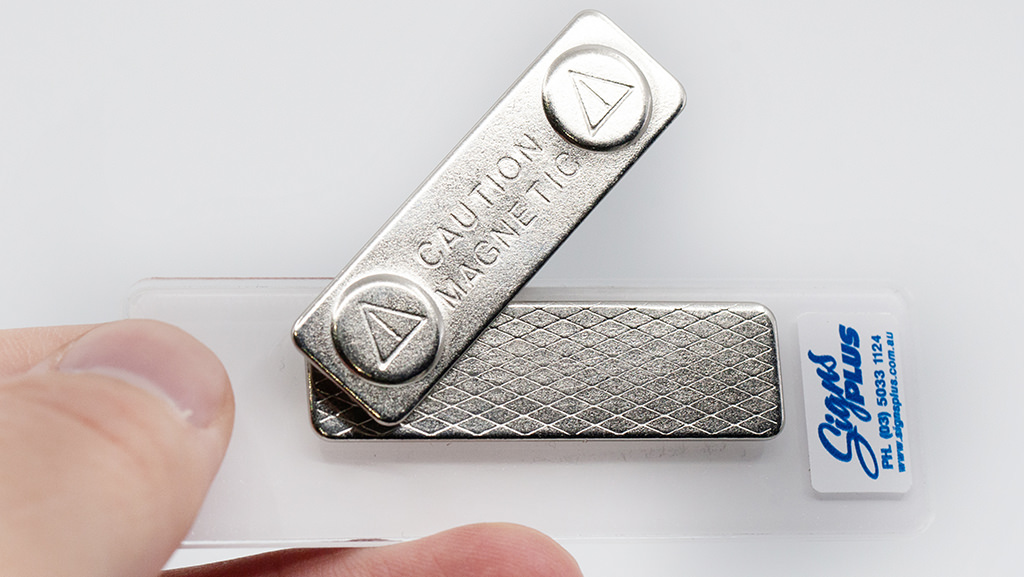
Detailed close-up of caution magnetic badge clasp showing magnetic attachment mechanism for school badges
Magnetic clip on the back of a standard name badge.
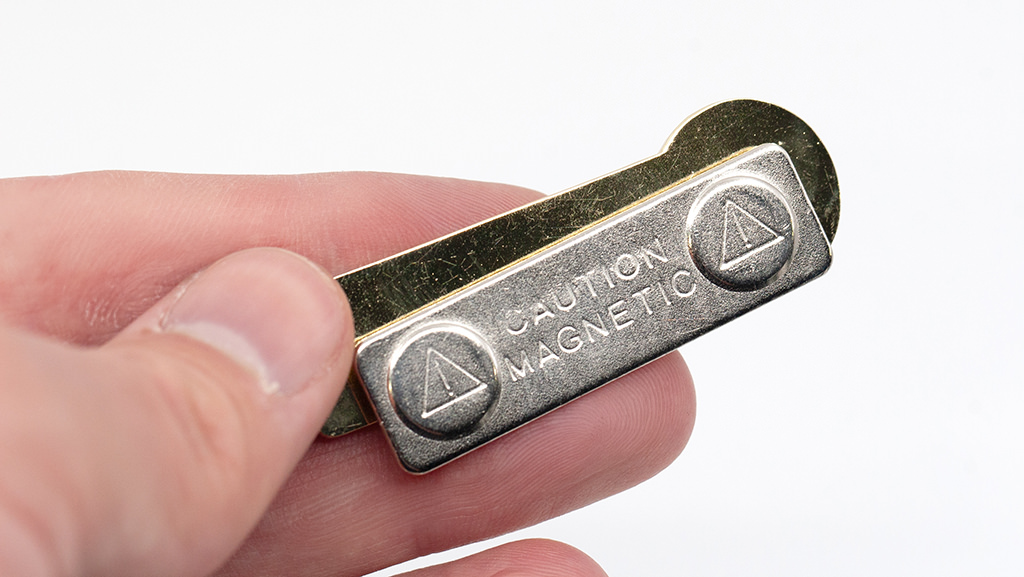
Rear profile view of magnetic badge attachment showing caution magnetic clasp mechanism for school name badges
Magnetic clip on the back of a custom metal student badge.
Name badge showing pin attachment in open position demonstrating how pin clasp mechanism works
Pin attachment on the back of a deluxe domed name badge.

Ordering Name Badges for Schools

Signs Plus supplies both magnetic and pin badge options for schools across Australia. Replacement magnets are available separately, allowing schools to manage long-term costs without replacing entire badges. For advice on the best attachment option for your school, contact Signs Plus.